


Home / About
The gatekeeper's trade
Most garage door outfits name themselves after the map or the founder. We named ours after the job, and the name took some explaining until you hear where the town's own name comes from.
Why "Gatehouse"
Cessnock is named after a castle. John Campbell took up his land grant here in 1826 and called it after Cessnock Castle in Ayrshire, his family's seat, and the name stuck to the town that grew up around the coal. Which makes this the right place to notice something about castles: the walls just stand there. The only part of a castle with a moving job is the gatehouse, and it was built heavier than the wall precisely because it had to work every day, letting the right things through and locking on everything else at night.
That is a garage door's exact job description. On a Cessnock block it lands twice: the gate is the first thing you pass coming in, and the shed door is the last thing you shut at night, on the ute, the tools, the compressor, the float, the project car. What's behind these doors isn't lifestyle; for a lot of this town it's the livelihood itself. A trade that keeps those doors moving and locking seemed to us worth naming after the one part of a castle that ever earned its keep.
No turrets on the letterhead, though. The name is about the job, not the grandeur.
The manner we work in
The gatekeeper's manner: steady, watchful, plainspoken, lets nothing slide. In practice that comes to four promises we're happy to be held to.
- The quote is the quote. Price agreed before work starts, at the door, with the reasons spelled out. No figure on this site, because no honest figure exists before someone looks.
- Repair gets a fair go. If fixing the old door is the right call, that's the recommendation, even when a new door would be the bigger ticket. The repair-or-replace framework is published, so you can hold us to it.
- Safety lines don't bend. Springs and cables are technician work, always. Anything mains-electrical on an opener is done by a licensed electrician, as NSW requires.
- No invented urgency. If it can safely wait, we say so. If it can't, we say that too, and why.
How the pricing works, in words
Repairs run as a call-out: a technician comes, finds the fault, and quotes the fix on the spot before touching anything. Most repairs happen then and there. New doors and bigger jobs run as a free measure and quote: the opening gets measured, the frame gets assessed, and you get a written price that holds once you accept it. Service visits are booked like repairs, without the drama. You'll notice no dollar figures anywhere on this site; that's deliberate. Numbers invented before seeing a door are marketing, not quoting.
Why the form, and no phone
We're building this service form-first: every enquiry lands in front of a person who knows doors, with the details already written down, which beats a phone message relayed twice. When you enquire, say what the door's doing, name the suburb, and leave the number you actually answer. You'll be rung back by someone who has already read what you wrote. If the job's urgent, put that in the first line and lead with the phone number.
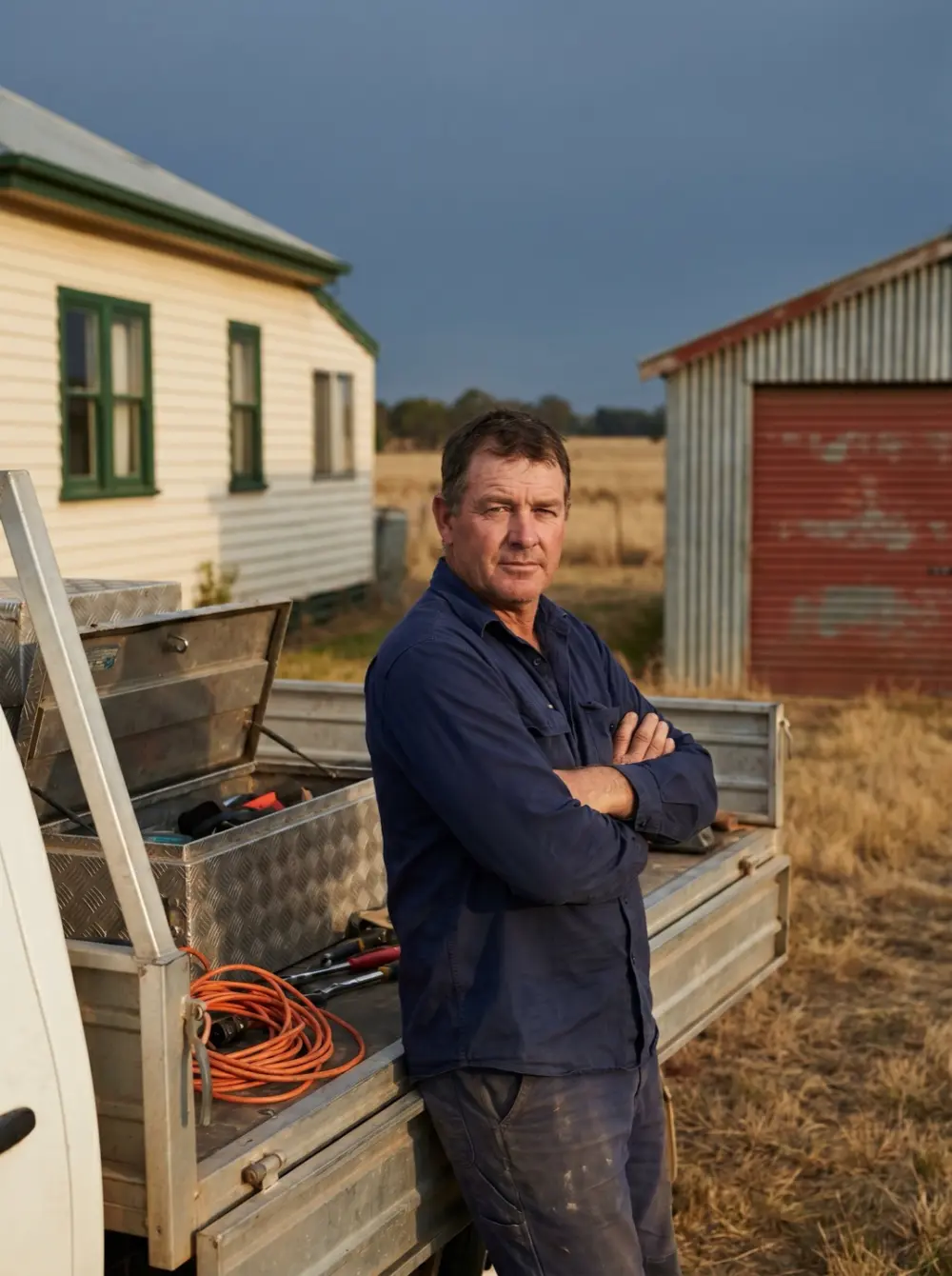
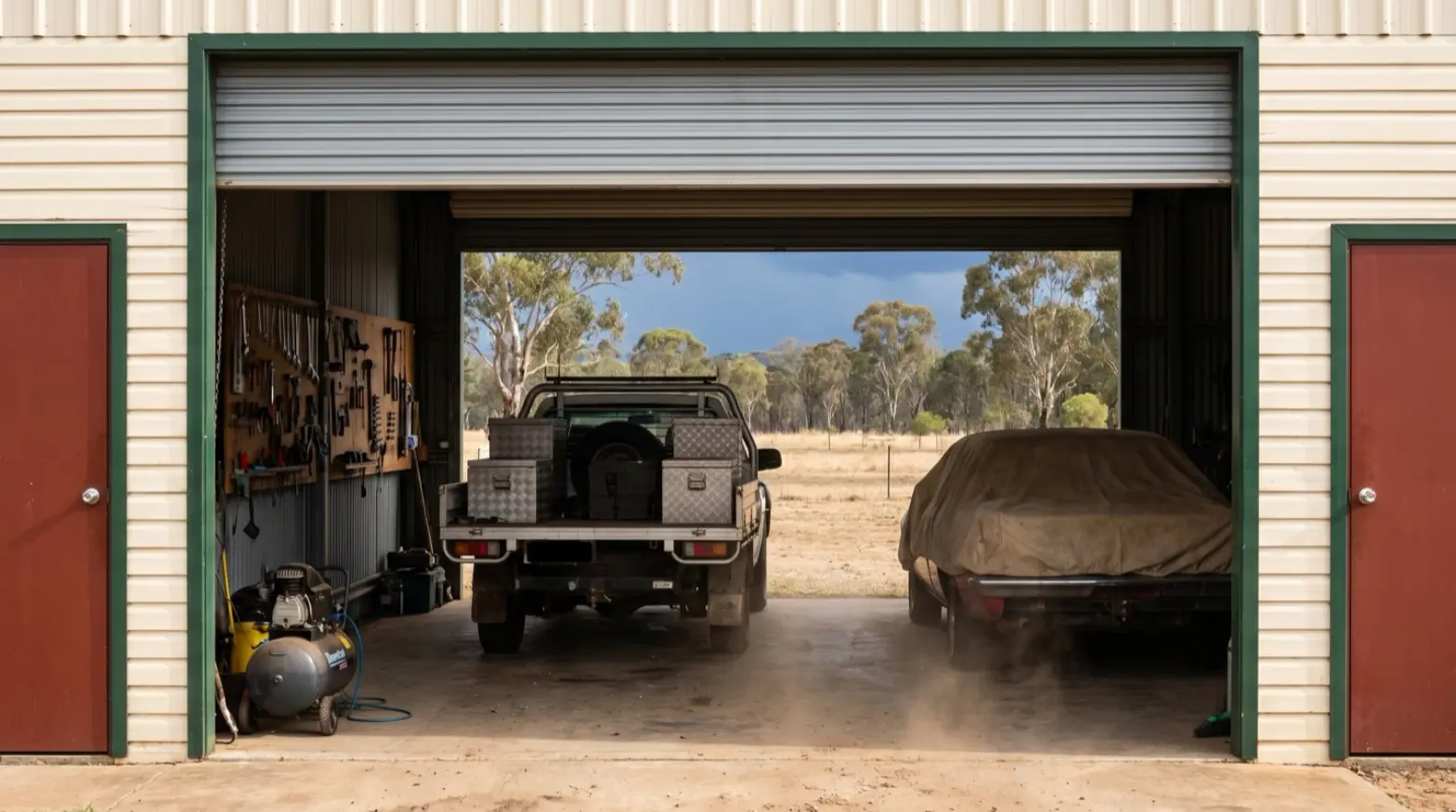
The walls just stand there. The gatehouse worked every day. If you're going to name a trade after part of a castle, name it after the part with a job.
No call centre, no run-around
Tell us about the door
A few lines on the form reach a person who knows doors, not a queue. If it is urgent, say so in the message and lead with your phone number.